Check out this quick list from John Elkington and Charmian Love: 10 Steps To Transform Capitalism with some good video clips from the Breakthrough Capitalism Forum.
Thanks to MSLS friend & colleague Molly Doyle for passing this one along with a condensed summary:
"You want change? Time to collapse your easy but misleading dualisms, the stark blacks and whites, and see the world as it is: Complex and dynamic. This is not easy work and there are no silver bullets. System change on your own is an oxymoron- don't isolate yourself. Understanding networks can be your biggest strength. Use maps to identify critical pressure points in the relevant systems. And in mapping, don't let media coverage warp- tomorrow's economic leaders currently operate far from today's spotlight. It's time to be mega-ambitious. Start projects so huge that their results are beyond your lifetime. This is not about an infusion of new thought into an existing system, it’s a fundamental redesign."
Stay going.
...
Wednesday, November 28, 2012


Monday, November 19, 2012
What's going on... a quick news round-up
There has been a lot happening related to sustainability recently, particularly around climate. Of course, Sandy's devastation has people talking.
Here are a few highlights of articles and reports from the last couple of weeks that are of particular interest:

1) Investor Jeremy Grantham's opinion piece in Nature urges climate scientists to be more aggressive: "Be Persuasive. Be Brave. Be Arrested (if necessary)"
2) World Bank Report: "Turn Down the Heat: Why a 4 degree C Warmer World Must be Avoided"
 3) International Energy Agency: World Energy Outlook 2012
4) Obama made waves with comments at his first post-election press conference that could be interpreted as "climate action vs. jobs."
5) 350's "Do The Math" tour has been moving around the country, getting people engaged city by city.

Stay going.
Here are a few highlights of articles and reports from the last couple of weeks that are of particular interest:
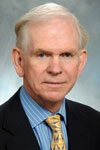
- Commodities prices have reversed their downward trend of the 20th century, rising dramatically over the past ten years.
- Climate change exacerbates these trends, particularly around food prices, which is particularly dangerous in light of the pending shortages of potassium and phosphorous fertilizers.
- "We need oil producers to leave 80% of proven reserves untapped to achieve a stable climate."
- "This is not only the crisis of your lives — it is also the crisis of our species’ existence."
- Warns the world is on track to a “4°C world” marked by extreme heat-waves and life-threatening sea level rise.
- Bank eyes increased support for adaptation, mitigation, inclusive green growth and climate-smart development.


- US could be energy independent by 2035 according to the report's central scenario (I've seen a few analysts question this conclusion).
- Global fossil fuel subsidies reached $523 Billion in 2011.
- A carbon price of $120 is needed to avoid the worst impacts of climate disruption.
- President Obama: "I think the American people right now have been so focused and will continue to be focused on our economy and jobs and growth that, you know, if the message is somehow we're going to ignore jobs and growth simply to address climate change, I don't think anybody's going to go for that."
- Bill Becker of the Presidential Climate Action Project wrote a good piece about a report from the Center for Climate Strategies showing that climate action can support economic activity and jobs.
- The numbers: we need to keep global average temperatures from rising more than 2 degrees. That means we can only release 565 more gigatons (at most) into the atmosphere. there are 2,795 gigatons in reserves - we can't burn it all. (see Grantham's point that we need to leave 80% of reserves in the ground)
- On Nov. 18 Protesters went to the White House opposing the Keystone XL Pipeline.
- Part of the tour is focused on getting university endowments (and other institutional investors) to divest from fossil fuels. Unity College's Board approved divestment and 72% of Harvard students voted in support of divestment.
Stay going.
Wednesday, October 31, 2012
Vicki Arroyo: Let's prepare for our new climate
Vicki Arroyo, Executive Director of the Georgetown Climate Center, talks about preparing for the impacts of climate change in a recent TED Talk. Hopefully Sandy will help us get better at this. Thanks to Climate Adaptation Knowledge Exchange (CAKE) for passing on this on:
Stay going.
Stay going.
Tuesday, October 09, 2012
Tuesday, October 02, 2012
Thursday, September 27, 2012
I Vote the Environment #BecauseILove ...
Great tune by Wilco. Great reminder to get out and vote. Check out the #becauseilove hashtag on twitter.
Stay going.
Stay going.
Wednesday, September 26, 2012
Adapt or ... Mitigate?
Adaptation or Mitigation? These are two terrible terms used to communicate possible responses to climate disruption (and its causes).
Adaptation refers to preparing for and dealing with the impacts of climate disruption. Adaptation efforts can range from building sea walls higher around coastal cities (to stem the damage from storm surges and rising sea levels) to developing diverse, resilient, local food systems (to reduce dependence on far-off monoculture agriculture operations that are vulnerable to single threats like drought or pests).
 But adaptation is a problematic term. To many, it represents giving up on efforts to stem the human drivers of climate change (primarily carbon dioxide emissions). It's the term of choice for Big Oil — because they can spin it so it sounds easy to adapt: 'we're an adaptable species, after all, this is nothing new.'
Nothing could be further from the truth. The impacts of climate disruption that we're already feeling and that will intensify without dramatic action will be unlike anything humans have adapted to during the past 10,000 years of civilization — as Dianne Dumanoski calls it, the "long summer" in the climate record that has made human civilization possible.
Bob Perkowitz, founder of ecoAmerica, outlines this issue well here, and calls for the use of the term "preparedness" instead of "adaptation."
Mitigation is another clunky term. It means stopping the activities that drive climate change — namely greenhouse gas emissions and land-use changes, like deforestation.
As action on mitigation has been woefully inadequate over the past three decades or so that we've been at it, many are now focusing more adaptation, after years of hopeful resistance. As the impacts become more plain, we're forced to do so. Furthermore, we must reconcile the fact that there's plenty more climate disruption locked in — even if we stopped all emissions today, time delays in the system ensure that we'll be feeling the impacts from past emissions for decades to come.
 So, this new dynamic leads to some practical strategic planning dilemmas on the ground. How do we organize and differentiate our mitigation and adaptation efforts? Our work with colleges through the ACUPCC started with a strong focus on mitigation — part of the commitment is eliminating net greenhouse gas emissions. Last year, we published a white paper looking at higher education's role in preparing society for the impacts of climate disruption. This process led us to questions like: 'where does adaptation fit into the ACUPCC?' and 'do we need a parallel initiative focused on adaptation?'
This article by Mark Trexler — Why it's okay to mix up climate mitigation, adaptation — published in GreenBiz yesterday offers a welcome solution on how to think about it.
As we emphasized in our higher ed preparedness report (and as most adaptation advocates stress), there are plenty of ways to prepare for climate impacts that also contribute to reducing greenhouse gas emissions. For example, better building design and insulation can protect against the dangers of heat waves, while also keeping people cool with less energy-sucking AC.
Keep an eye out for the continued increase in focus on preparedness, and hopefully a focus on smart efforts that make our communities safer, while also reducing our contributions to climate disruption.
For a great in-depth discussion on some of these issues, check out this segment — "An Inconvenient Silence" — from HuffPo Live (it's worth suffering through the Google Hangout echo issue). And this recent interview with John Kerry from Grist.
Stay going.
Adaptation refers to preparing for and dealing with the impacts of climate disruption. Adaptation efforts can range from building sea walls higher around coastal cities (to stem the damage from storm surges and rising sea levels) to developing diverse, resilient, local food systems (to reduce dependence on far-off monoculture agriculture operations that are vulnerable to single threats like drought or pests).
 But adaptation is a problematic term. To many, it represents giving up on efforts to stem the human drivers of climate change (primarily carbon dioxide emissions). It's the term of choice for Big Oil — because they can spin it so it sounds easy to adapt: 'we're an adaptable species, after all, this is nothing new.'
 Nothing could be further from the truth. The impacts of climate disruption that we're already feeling and that will intensify without dramatic action will be unlike anything humans have adapted to during the past 10,000 years of civilization — as Dianne Dumanoski calls it, the "long summer" in the climate record that has made human civilization possible.
Bob Perkowitz, founder of ecoAmerica, outlines this issue well here, and calls for the use of the term "preparedness" instead of "adaptation."
Mitigation is another clunky term. It means stopping the activities that drive climate change — namely greenhouse gas emissions and land-use changes, like deforestation.
As action on mitigation has been woefully inadequate over the past three decades or so that we've been at it, many are now focusing more adaptation, after years of hopeful resistance. As the impacts become more plain, we're forced to do so. Furthermore, we must reconcile the fact that there's plenty more climate disruption locked in — even if we stopped all emissions today, time delays in the system ensure that we'll be feeling the impacts from past emissions for decades to come.
 So, this new dynamic leads to some practical strategic planning dilemmas on the ground. How do we organize and differentiate our mitigation and adaptation efforts? Our work with colleges through the ACUPCC started with a strong focus on mitigation — part of the commitment is eliminating net greenhouse gas emissions. Last year, we published a white paper looking at higher education's role in preparing society for the impacts of climate disruption. This process led us to questions like: 'where does adaptation fit into the ACUPCC?' and 'do we need a parallel initiative focused on adaptation?'
This article by Mark Trexler — Why it's okay to mix up climate mitigation, adaptation — published in GreenBiz yesterday offers a welcome solution on how to think about it.
As we emphasized in our higher ed preparedness report (and as most adaptation advocates stress), there are plenty of ways to prepare for climate impacts that also contribute to reducing greenhouse gas emissions. For example, better building design and insulation can protect against the dangers of heat waves, while also keeping people cool with less energy-sucking AC.
Keep an eye out for the continued increase in focus on preparedness, and hopefully a focus on smart efforts that make our communities safer, while also reducing our contributions to climate disruption.
For a great in-depth discussion on some of these issues, check out this segment — "An Inconvenient Silence" — from HuffPo Live (it's worth suffering through the Google Hangout echo issue). And this recent interview with John Kerry from Grist.
Stay going.
Subscribe to:
Posts (Atom)