Wednesday, June 28, 2006

Linked

I just recieved a request to post this link, and think it's appropriate, as its very much in the spirit of the article -- the power of networks and the internet to play a huge role in shifting towards a sustainable society, as well as the power of the individual (within society, within the biosphere) to push this shift. For more on the power of networks, and a great read, check out Linked. In the meantime check out the link below... Stay going.

http://www.worldchanging.com/archives/004599.html
Once in a while, somebody notes that the Internet should be materially contributing to solving the world's problems. I think the notion has been around since about 1965. I'd like to raise some ideas for you, WorldChanging's Open Thinktank, to think about, speculate on, contribute to and improve. Our goal is to get to a personal Factor Four improvement in your environmental impact and mine by using the collective intelligence and collective action that the internet enables...

Monday, June 26, 2006

A school year ends, a new career begins, in between, mayhem ensues


This is a long overdue post that will hopefully get me back in the habit. There is far too much for me to cover since my last post so I’ll just try to keep it brief, do a quick recap and continue on - more personal than sustainability related (as if possible to separate the two)....

Michelle, Mauricio and I finished up our thesis on time, staying awake to catch the couple hours of darkness each night down the home stretch. We were very pleased with the final product, and hope to get a quick approval after a few finishing touches. The tool we developed through our research – CDM Select is also looking good, as we put the finishing touches on version 2.0, which incorporates the feedback we got from the experts we interviewed.

We are working on a proposal to do some work with our research at the COP (Conference of Parties) in Nairobi in November – the COP is the annual international climate change negotiations, the “Kyoto Protocol” came out of these negotiations during the 1997 COP in Kyoto. Anyway, we’ve been in contact with some of the organizers in Kenya and are looking into tracking down funding for capacity building workshops on Strategic Sustainable Development and CDM Select. Any ideas for funding? let me know.

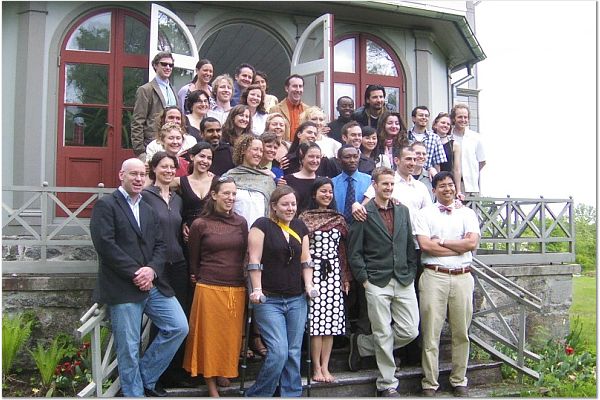
After the thesis was handed in, we had a great “graduation” weekend. The events were all very homegrown, modest and self-organized – and very fun and meaningful.


It was tough to wrap up the year and realize that I wouldn’t be seeing most of my classmates regularly, but there was so much talk about keeping our network alive and flourishing, and so much energy from our crew that I have little doubt we’ll stay in touch and be working together constantly.

After grad people started dispersing, and my buddy Damon from Dartmouth / NYC came to visit – we rigged up a flexi-fuel Volvo s40 and hit the road. We checked out Göteborg and met up with friends in Stockholm, where we checked out the city on a beautiful spring day, hit up a really hot (or really terrible, depending on your perspective) club, and had an absolute blast.

After a quick turn around back in K-town, Michelle and I flew back to Boston, checked-in with the fam, had a big night out in Boston with the Manch-vegas crew:


Then we headed up to Dartmouth for my 5th year reunion. This is always a magical place to come back to, and this weekend did not disappoint, we had a solid turn-out and caught up with many I hadn’t seen in far too long. We played a little pong and had a few beers:


Had a pig-roast courtesy of the Jenks’ – Vermont’s finest and then some:


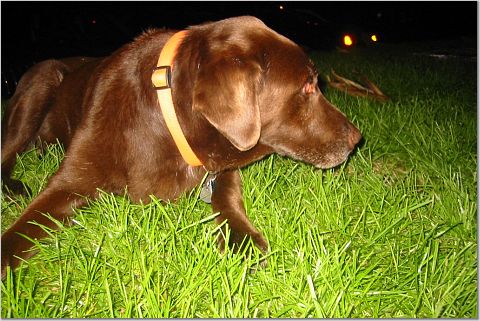
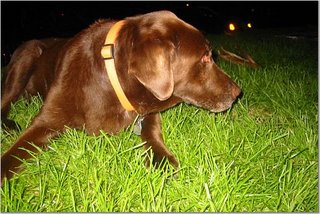
My favorite dog in the world made the 18 hour drive from Atlanta:


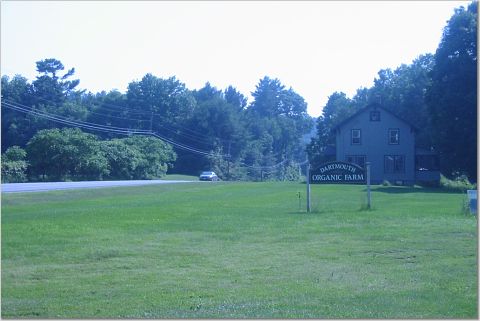
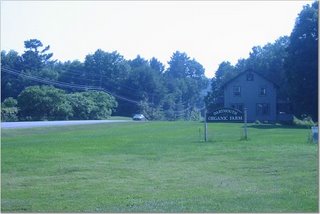
We made a quick stop at the Dartmouth Organic Farm:


– and all too quickly it was over.

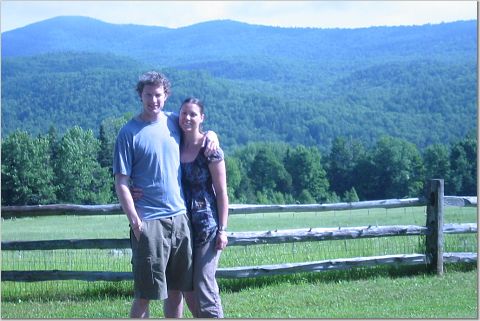
Luckily we had a couple more days left up north, visiting the Ford’s beautiful home in Vermont. I got to show off the straw-bale house that Spencer and I built with his sister – and we got to meet her beautiful son. Really lacking on the pictures here, sorry - here's one of me, Michelle and green mountains:


Next, a quick stop in Burlington, where I got to play some lacrosse and realize how fully out of shape I am – a full treat, nonetheless. And finally, we cruised through New York, recharged on some of that big city energy, had a good meeting with some people from the UN that helped with our research and caught up with a bunch of old friends – thanks y’all for coming out.

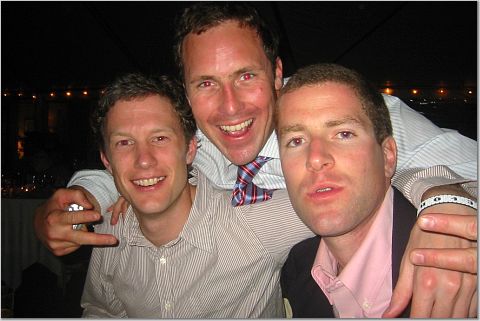
Then we returned to Manchester – which turned into an epic 8-hour drive due to flooding and traffic (funnel walls) – just in time to catch my dear friend Blair’s wedding. It was a great scene – everyone looked beautiful, a non-traditional ceremony, complete with B’s giant dog Wiley walking down the aisle. Again, lacking in pictures, sorry - here are some of the less-desirable guests:


Now we’re finally settling down and really catching up with work, etc. Greenland Enterprises has its first official project, which will involve laying the groundwork for fundraising and business-network development for the program. It will be nice to give something back to this amazing program after all it has given me, and I suppose a few more months in Karlskrona should be bearable – I had actually forgotten how beautiful it is in the summer, so I’m excited to get back.

Of course in the midst of all these travels there has been constant interest, excitement, skepticism, collaboration, argument and dialogue about what we’ve been doing this year studying sustainability. I’ve been shocked (and stoked) by how many of you have been reading the blog – and am very grateful for the feedback, positive and negative. This blog was started as a running journal for my time at the MSLTS program, but of course I have no intention of letting it slide – we’ll see what it morphs into. So, thanks again. Now that I’m caught up hopefully I can get back to some more interesting content – keep reading, keep rockin’ … stay going.

Thursday, May 25, 2006

Teleportation & Carbon Guilt, "we call it life"

I'm still catching up on sleep from a spectacular weekend back in the States where I had the honor of participating in the beautiful wedding between my dear friends.

After a euphoric weekend of catching up with my crew after way too long, it came time for the Sunday good-bye brunch. Naturally, the conversation turned to teleportation, as it so often does at that stage of the weekend when everyone has to think about getting back home.

It was quickly and unanimously decided that my efforts in achieving a cost-effective societal shift to sustainability would be better spent on looking into achieving a cost-effective solution to man's age-old desire to disappear, and instantaneously rematerialize in another desired location. Check out this earlier post on quantum physics and non-locality to see why the two subjects are not as disparate as one might think. 

But until that glorious day when we have that upstream solution to our global travel woes, we're left with the reality of our globe-trotting impacts, chief among them: CO2 emissions. The impacts of climate change were all too obvious this past week back home, where record rains caused some serious flooding damage.

(Though, no it is not possible to attribute a causal relationship between anthropogenic emissions and recent extreme weather events with absolute certainty, the climate change models I've seen do call for higher participation in the Northeastern US). These pics from St. Paul's in New Hampshire, the school year ended early:


(check out this link for more pics of NH: http://mistoverfm.org/sps/flood/)
So, I'm sacking-up non-existent student budget to off-set my carbon for the trip - a very small but important step towards accounting for the true costs of activities. Here are some sites that offer the service:
Of course, as we all know from these awesome new commercials, we got nothing to worry about, Carbon is LIFE!!!!

Seriously, you've got to check those ads out -- when I heard about them it was with a touch of anxiety and sadness. I thought: "here we go again, big business funneling their valuable time and resources in a counter-productive direction." And it is that, but in such an unsophisticated, laughable way, I think it really might represent the "last gasp" of the over-politicized debate, so we can get on with working together to implement the exciting solutions that exist. It does also underscore the broad misunderstandings and potential for confusion about even the most basic attributes of the issues, and reinforces why we all need to keep learning and engaging with each other. On that note, thanks to all for the great conversations over the weekend, the interest and excitement was awesome to see. Stay going 

Sunday, May 14, 2006

Carbon Expo 2006

I’m just traveling home from an incredible week in Cologne, Germany at the CarbonExpo. The city of Cologne was beautiful and a lot of fun – we got there a day early and had some time to catch some sights, hit a Salvador Dali exhibit and put back a few Kölsh (the local brew) while editing the first draft of our thesis.


Here’s a picture of the massive cathedral in the city center – quite a sight:


The real excitement, though, came from the conference. It really brought home for me how fast the carbon markets are growing. I’ve been meaning to give an overview of carbon finance, the basics behind cap & trade schemes, etc. and I will soon, but for now I’ll just run through some of the highlights.

The EU ETS (emissions trading scheme) traded around €9.4 billion in 2005, since it went into effect when Russia ratified Kyoto. (The EU ETS is not technically a part of Kyoto – it was created by the EU to get all the systems in place for international emissions trading, and to get member states on track to meet their Kyoto commitments for the first period, which is 2008-2012). Early in the year I had heard estimates that the EU ETS would hit around €22 billion in ’06 – at the conference, people were saying it would probably be more like €30 billion.

With this huge growth comes some exciting times – the market has a real ‘wild west’ feel to it, with tremendous opportunities. The head of one of the bigger firms in the space referred to it as a “land-grab.” And another noted the market is “full of cowboys.” All of this made for really exciting atmosphere at the conference and a great job market.

Participants were all over the map – but mostly policy and finance types (i.e. a lot of suits, the conference was all business). There were a few of the big banks there (Goldman, Morgan Stanley), technology providers (including GE), government reps from all over the world, World Bank reps, carbon finance firms (EcoSecurities, Natsource, CO2e, Asia Carbon Funds), reps from the exchanges, market news firms (Bloomberg, Reuters, PointCarbon), and a slew of CDM project developers and consultants.

We caught up with a bunch of the experts who have been reviewing and commenting on CDM Select (the tool we’ve developed as part of our thesis), and we got a lot more interest from other project developers, investors, NGOs and governments who said they would have a look and provide feedback.

I was surprised (pleasantly) by how much the market is focused on the CDM (refresher: the Clean Development Mechanism (CDM) is a Kyoto instrument, which allows projects that mitigate GHG emissions in developing countries to generate credits called Certified Emissions Reductions (CERs) that can then be bought by industrialized nations (or companies in them) to meet their emission reduction commitments). A lot of the ‘low hanging fruit’ projects are going fast – these are mostly industrial gas destruction projects that are relatively cheap and straightforward (end-of-pipe technologies) that create a lot of CER revenue due to the high global warming potential of the gases. But more and more developers of all types and sizes (large and small private firms, governments, World Bank, etc.) are looking to more involved with potentially more beneficial kinds of projects like renewable energy, energy efficiency, afforestation/reforestation, etc.

On the political side, there was very little talk of the US, aside from some encouraging remarks about the activities at the state level with CA’s proposed scheme and RGGI (regional greenhouse gas initiative) in the Northeast. For the most part the market has written-off the US until the next administration. These days Canada was taking the heat as their new government has essentially said they won’t meet their Kyoto targets, and they won’t try. Couldn’t help but get the sense that we were being left behind in some ways and that the ramifications extended well beyond the carbon market. But given the growing awareness among the people of the US, I have little doubt that we will get on track soon and hopefully take the lead in creating a sustainable energy future. (on that grassroots tip, check out this cool link that’s going around - http://www.renewus.org/index.html - sign up!)

Anyway, I’ll stop here, and promise to have more posts on the carbon market soon – which I’ve neglected on the blog, because I spend so much work-time on it – but I think it really is the most exciting aspect of sustainable development going on today. So, the bottom line is that it was a great time with a great bunch of people with all kinds of backgrounds and motivations, the market is unlike any other, but has shown signs of quick maturity (including weathering its first “crash” over the past couple weeks, and models on the exhibition floor at the conference), and there’s plenty of opportunity to ‘do well while doing good’ in environmental markets. Stay going…

Thursday, May 04, 2006

Ethanol - hype, threats and opportunities

News was out a few days ago that Goldman Sachs picked up a $30 million piece of Iogen, which is backed by Shell and is one of the two big cellulose ethanol players (along with Celunol (formerly BC International) http://www.bcintlcorp.com/ of Dedham, MA).

There’s no doubt the hype is growing in the ethanol space – as this article from my brother points out – certainly wouldn’t recommend buying stock at this point. But I think there’s little doubt that ethanol and other biofuels (methane, biodiesel) will play a significant role in a sustainable future – as they already are in Brazil and Sweden.

Another big piece of news in the space is that the IRS just published Form 8911 Alternative Fuel Vehicle Refueling PropertyCredit which provides the first ever federal income tax credit for the installation of E85 fueling systems. It was part of the 2005 Energy Policy Act and provides a 30% federal income tax credit, up to $30,000 per property, to install alternative fuel dispensing systems (this news from the National Ethanol Vehicle Coalition)

Clearly the momentum is building in the US, which is great. There are some criticisms and concerns, however.

First: ‘ethanol takes away from needed food production.’ This is a marginal concern – we subsidize farmers not to grow food, global hunger is not a supply issue, and obviously it’s irrelevant in the case of biomass ethanol (produced from crop residues or other biomass, not necessarily food like corn, sugar cane or beets).

Second: ‘it still emits CO2.’ This is true, but it theoretically could be a ‘carbon neutral’ process because the carbon from the biomass will be stored in new biomass – so it’s not a violation of Sustainability Principle 1 (substances from the crust). In reality it's not completely true - E85 means 85% ethanol, 15% gasoline, which is sometimes needed for cold starts. Also, currently in practice, ethanol uses fossil fuel inputs for production, transport, agricultural production, etc.

Third: ‘it deprives the soil of nutrients.’ Here’s where it gets interesting. Fritjof Capra (fantastic writer on sustainability) more or less writes off ethanol for this reason. And he’s got a valid point – soil is the basis of civilization, and oil is not the scarce resource of the future – phosphorous is (with Morocco and China holding the cards). Closely related, is the huge issue of unsustainable agriculture and forestry. Regardless of the source for the feedstock for ethanol (corn, sugar, or other biomass), it must be sustainable in terms of growing (without chemical fertilizers and pesticides – Sustainability Principles 1 & 2, substances from the crust, substances produced by society) and harvesting (Sustainability Principle 3, physical degradation). But I think this could be solved in a sustainable way – primarily through closing the loop on nutrient losses from human and animal waste, and implementing large scale composting operations.

A whole-system perspective highlights some of the threats of a large-scale shift to ethanol – and there are more than those addressed here, many specific to various regions (particularly water) – but it also highlights the opportunities. While there are only ~600 filling stations with E85 pumps in the US, that number is growing and that tax incentive will surely help. There are already over 5 million flexi-fuel vehicles on the roads in the US – not a huge number, but significant and growing, with more and more models available (check your VIN # to see if you already own one). Here's a shot of the thesis team - all business with our rented Flexi-Fuel Volvo V50:


The shift to a renewable fuel base will likely happen fast once it reaches a critical mass, as is happening in Sweden, and as it does, it will be vitally important to have this whole-system perspective to ensure that it’s done right. Stay going…

Sunday, April 30, 2006

Ireland and old-school island sustainability


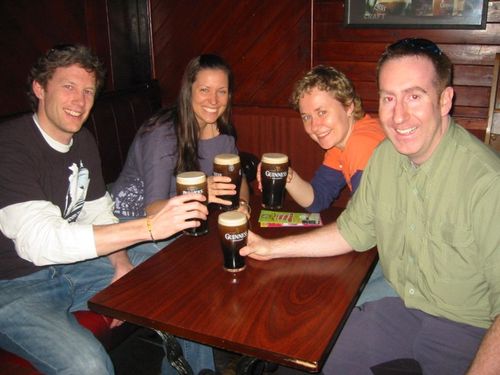
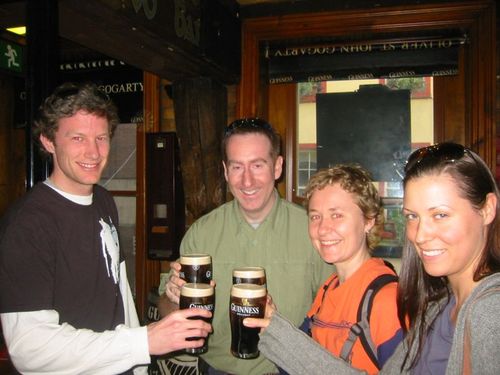
Last week I took a few days off from the thesis and hopped a cheap Ryanair flight to Dublin with Michelle, Tamara, and Kyle, pictured here enjoying our first Guinness (of many) upon arrival.

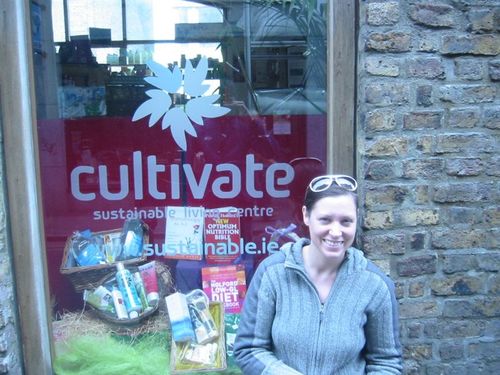
A couple of nights in Dublin in a flea-bag hostel was a welcome change from a small town winter in southern Sweden. The city is really cool, pretty vibrant with lots of people on the streets. We spent the day on Saturday walking the city and stumbled upon Cultivate – a sustainable living center near Temple Bar.


It was impressive to see what they were doing – they had a shop with great books, some food and various eco-design products from electric bikes to window sill greenhouse planters. They had a demonstration yard in the back with displays for green building and organic gardening techniques, and because it was earth day they were ending up a week of events with a movie on Cuba’s response to their “end of oil” crisis when the Soviet Union collapsed in which they relied heavily on Permaculture and urban gardening for food and solar and biofuel for energy – click here for more on the documentary.

Next, we were off to “Mecca” – which did not disappoint. The freshest Guinness in the world, with a little entertainment about how they brew the beer, the history of the brewery.

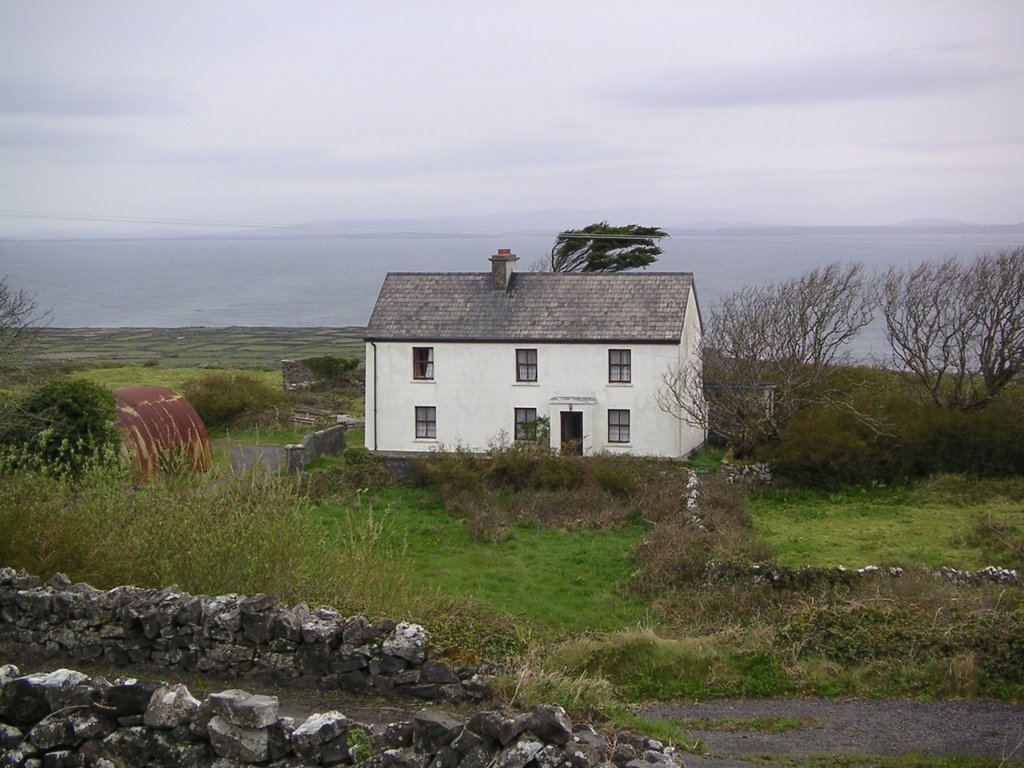
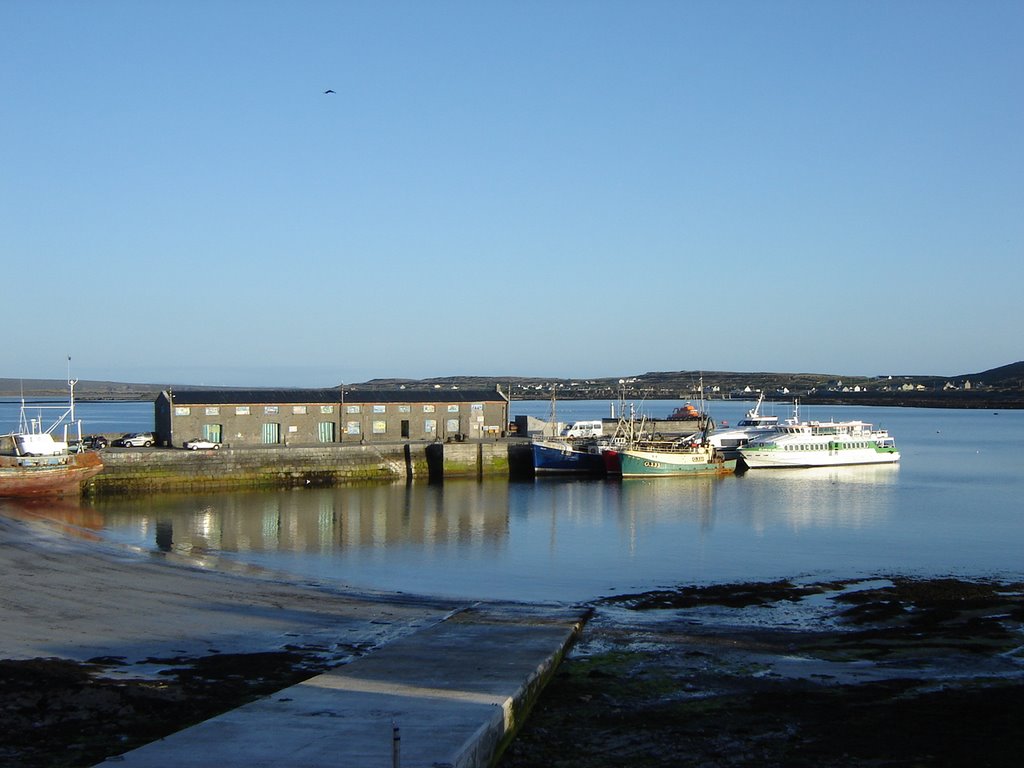
Sunday we took the bus across the country to Galway, where we happen to catch “the Irish rugby game of the decade” and then grabbed a ferry to the island of Inis Mór. This place was a total treat, and just what I imagined the Irish country side to look – cows and sheep grazing on spots of lush green pasture engulfed in a network of stone walls.

On Monday we had a great tour of the island from Patrick, a 7th generation islander with a full bag of one-liners. He took us to a couple of ruins – both about 2,500-3,000 years old and incredibly well preserved. Just thinking about that sort of time scale in the island setting (where 'limits to growth' are more obvious than on the global scale) was another reminder of how important that perspective is in terms of sustainability – the fact that natural systems have been co-evolving for billions of years, purifying the atmosphere, soil and water systems to create a livable biosphere for humans with relatively low-toxicity is mind-boggling when considering how incredibly quickly we have gone about forcing those systems towards total collapse as we destroy more and more of the interconnected sub-systems (forests, fisheries, lakes, rivers, fertile soil, climate systems, etc). In just 100-200 years we’ve managed to breakdown so much of the resilience from that co-evolution, in some cases irreversibly.

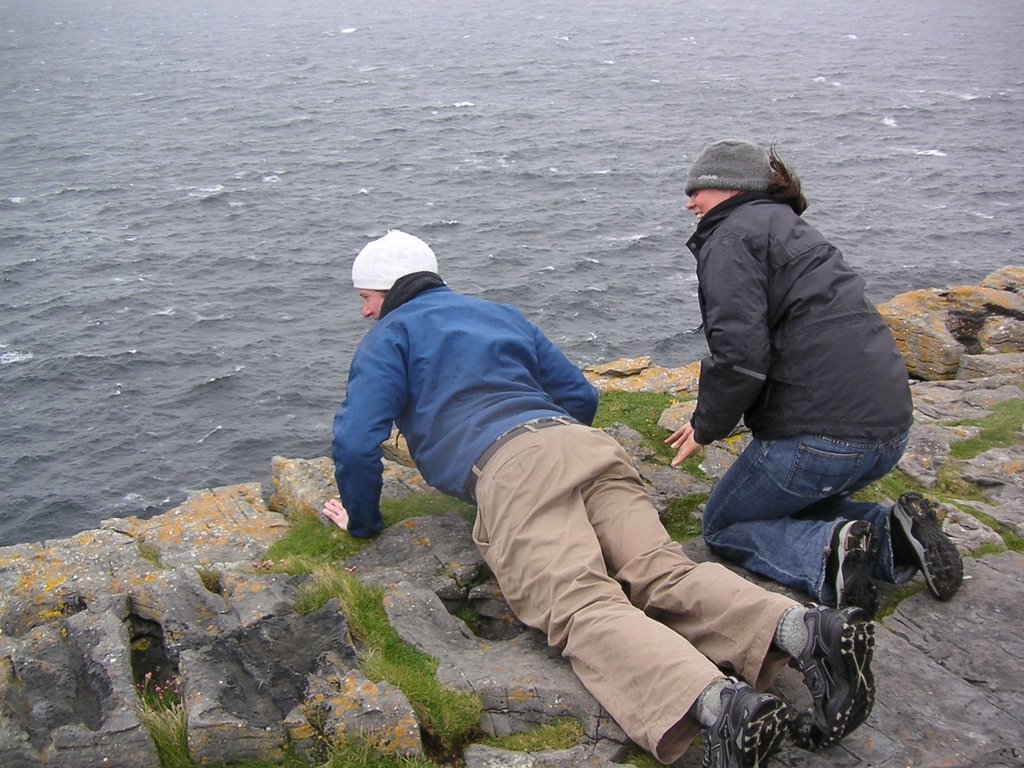
Depressing and enraging thoughts, but fitting with the melancholy grey drizzle and interspersed ferocious gusts of wind (which added some excitement while checking out the ~400 ft (?) cliffs).

But it was nothing a couple Guinness couldn’t take care of and the inspiration from the positive, restorative solutions from the Cuba movie were keeping us going – and given the growing awareness everywhere you look, I have no doubt that we will restructure the way we go about meeting our needs in time and achieve that dynamic state of sustainability (hopefully) without too much war and catastrophe.

After a long journey of boats, trains, planes, and automobiles from one corner of Europe to another, we were back in K-town, refreshed and ready to dive back into thesis writing – which is pretty much what I’ve been doing non-stop since. It’s going well, getting some great feedback from CDM experts about our tool, “CDM Select,” which is encouraging, and hopefully could lead to its implementation on some real-world projects.

Anyway, for more pics from Ireland check out Michelle’s album:

http://michellemckay.typepad.com/photos/ireland_trip_april_2/index.html.

Hope you’re all well... Stay going.

Thursday, April 20, 2006

Stockholm on renewables...

So I had to do a quick round-trip to Stockholm this week to take care of some business and meet with a woman from the UN about our thesis work. It was a great overnight trip, and good to get a change of scenery from Karlskrona.

It was also a good first hand look at the bio-fuel infrastructure that we’ve been learning about here in Sweden. We rented a flexi-fuel care – a Volvo V50 – that looks, feels and drives like a normal car. The only difference is you can put regular gasoline in it or an ethanol blend. You can also mix the two together, so if you have half a tank and you fill up at a station that doesn’t have ethanol, it’s all good. Here's a picture of me filling up the rig:


The exciting thing about what they’ve got going here in Sweden is how fast it happened. We went to a clean vehicles conference back in the fall, put on by Per Carstedt, who later came to BTH and gave us a lecture about his work. What he’s done is pretty incredible. He’s worked with the diverse group of stakeholders involved in the “chicken and egg” problem of a major fuel switch – energy producers, filling stations, car makers, drivers and policy makers – to help create this transition. And it has happened incredibly fast.

Once the car makers knew there was a market, the consumers knew there were enough stations, the filling stations knew there was a supply, the producers knew there was a market, etc., etc…. the whole thing tipped. Now there are over 600 filling stations, there are parking and toll incentives for consumers that drive them, and car makers are cranking out flexi-fuel models.

It’s a small example of how a concerted effort, some cooperation, dialogue, and openness to change can make these seemingly impossible shifts happen. Stay going.